
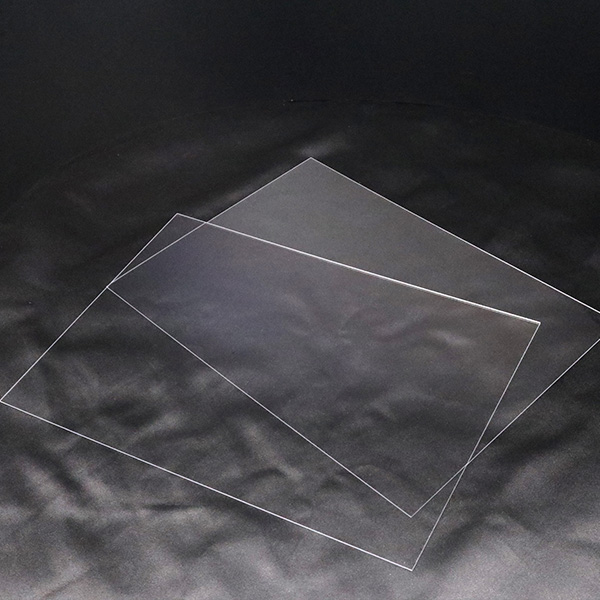
PMMA/PC/PMMA triple-layer composite sheets are a type of composite material made from polymethyl methacrylate (PMMA) and polycarbonate (PC). It consists of two layers of PMMA with a layer of PC in between, forming a three-layer structure.
Each layer of material has its unique properties, which contribute to the multiple advantages of this composite sheet material. Below is an introduction to each layer:
PMMA Layer: Polymethyl methacrylate is a transparent polymer with excellent optical properties. It has high ultraviolet resistance, effectively preventing color changes and surface aging caused by sunlight exposure. PMMA also has excellent chemical resistance, tolerating most common chemicals and solvents. Additionally, PMMA has good rigidity and wear resistance, making it an ideal choice for manufacturing high-quality transparent appearance products.
PC Layer: Polycarbonate is a robust and durable engineering plastic with high impact strength and excellent tensile strength. PC has excellent heat resistance, withstanding stress and deformation in high-temperature environments. It also has high light transmittance, making it an ideal material for manufacturing optical components and touch screen applications. Furthermore, PC has good electrical insulation properties and flame retardancy, leading to widespread use in electronics and electrical fields.
PMMA Layer: The use of PMMA as the third layer provides additional protection and enhances the performance of the composite sheet material. The PMMA layer not only increases the chemical resistance of the composite sheet but also strengthens its surface hardness and wear resistance.
In summary, PMMA/PC/PMMA triple-layer composite sheets combine the advantages of PMMA and PC, offering high transparency, excellent mechanical properties, ultraviolet resistance, chemical resistance, and wear resistance. This material is widely used in construction, automotive, electronics, optics, and other fields, such as transparent covers, windows, optical lenses, touch screens, etc.