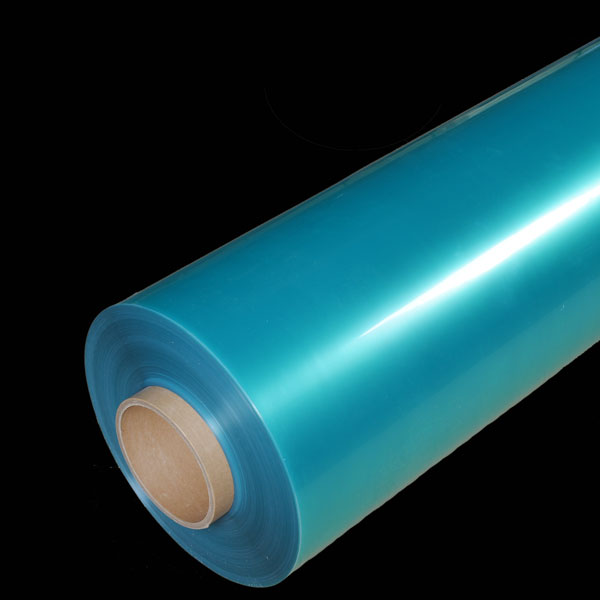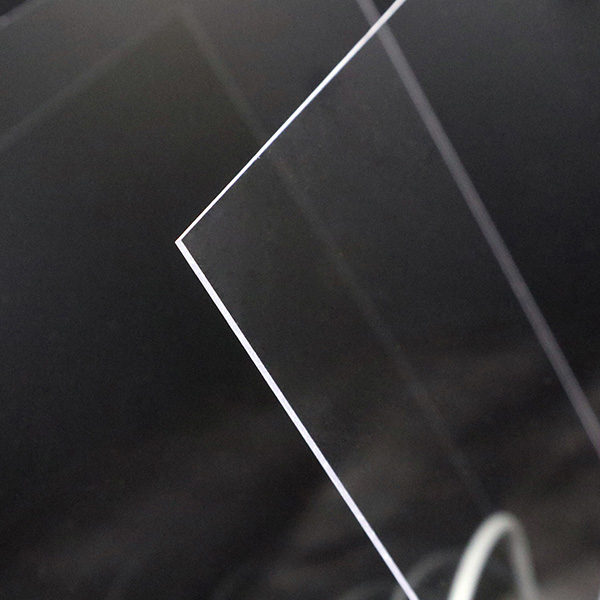
PC/PMMA composite film
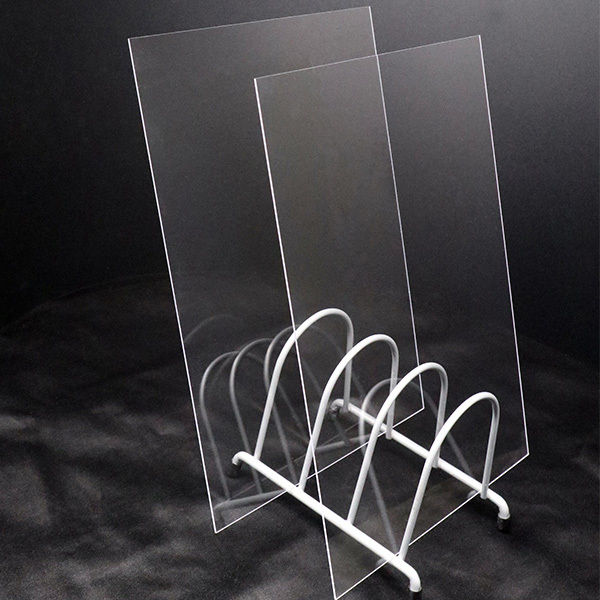
PC/PMMA Composite Film (Thin-Gauge Co-Extruded Composite Film)
Polycarbonate (PC) and Polymethyl Methacrylate (PMMA are directly bonded at the microscopic interface via the co-extrusion casting process, forming an integrated thin film/sheet structure featuring a tough core and hard transparent surface layer:
- PMMA side: High surface hardness, excellent scratch resistance, high gloss and superior light transmittance
- PC core/layer: Absorbs impact energy, resists bending, and offers a wide thermoforming processing window
No adhesive is used between the two layers, eliminating delamination risks. The composite film delivers far greater overall toughness than single-layer PMMA, while its surface hardness and scratch resistance outperform pure PC by a wide margin.
Definition of "Film" in This Product Line
This refers to the thin-gauge segment within the same co-extruded composite product system, with a minimum available thickness of approximately 0.07 mm / 70 μm.
It can be supplied in continuous roll form as a base film for printing, texturing and IMD processes, or cut into discrete sheets for thin functional components such as window substrates, slim decorative covers and instrument interior panels.
Standard Specifications (Factory Official Production Data)
- Thickness: 0.070–3.000 mm (0.003"–0.118")
Ultra-thin gauges ranging from 0.07 mm to 0.175 mm are primarily used as base films, while medium and thicker gauges share identical production lines with composite sheets.
- Width: Max. 1320 mm (≤52 inches), adjustable according to thickness grades
- Color: Natural transparent as standard; colored variants are categorized under the colored multi-layer PC/PMMA series
- Surface finish: Double-sided polished as standard; textured, flowing light grain and leather grain finishes are available
- Grades: Three performance tiers including non-impact, high-impact and hard-coated versions
Typical Reference Properties (Extracted from Official Specification Sheets)
- Specific gravity: Approx. 1.20 g/cm³
- Light transmittance: ≥90%
- Thermal shrinkage at 135°C: ≤1%
- Vicat softening point (B50): Approx. 140°C
Typical Applications
Universal base films for high-pressure thermoforming IMD/FIM processes (decorative components for automotive controls, interiors and dashboards), thin window substrates and decorative panels for consumer electronics, smartphone back covers and decorative lids (hard-coated grades preferred), rigid decorative substrate for luggage and helmet casings, and more.