
PEI film
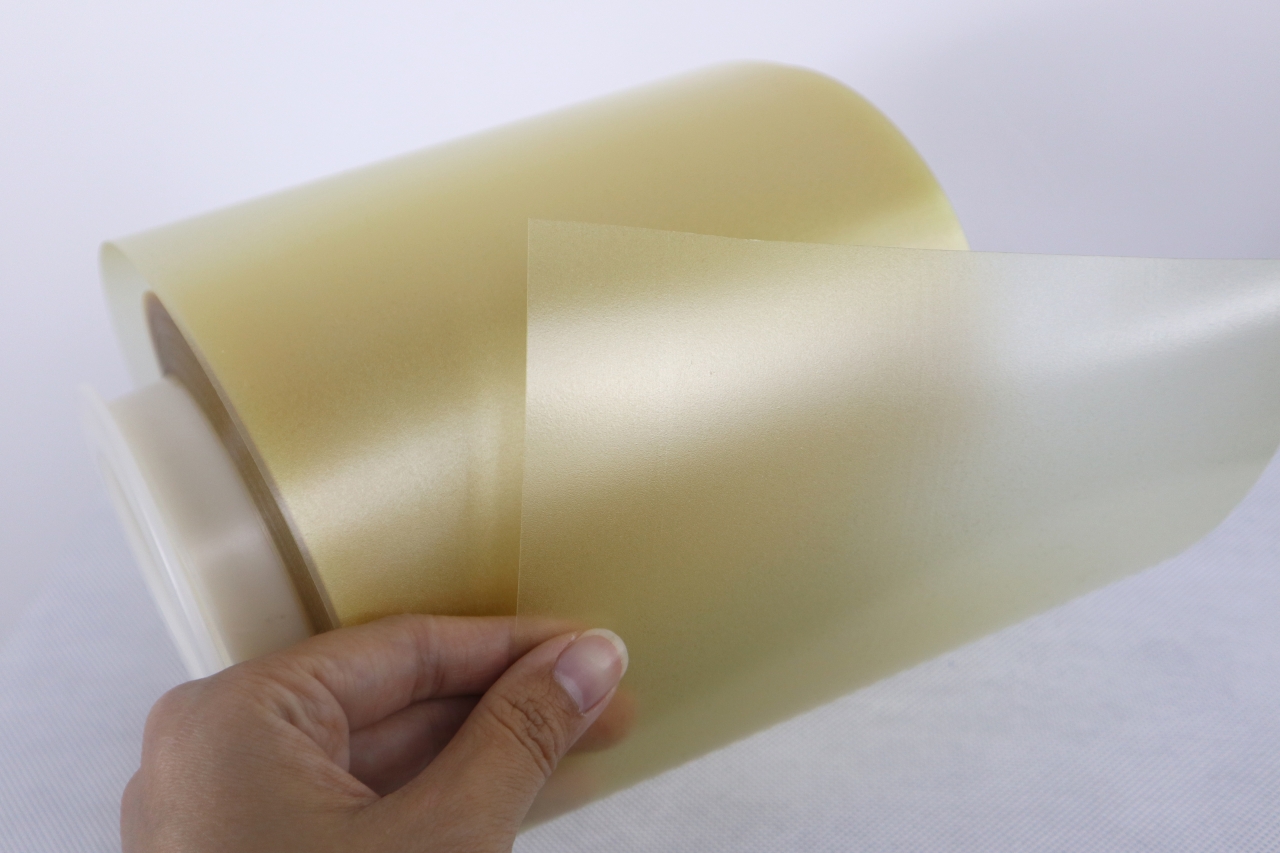
As a super engineering plastic, PEI film has excellent characteristics such as high temperature resistance and dimensional stability, so it is widely used in various fields.
01
PEI+ metal coating (corrosion-resistant protective layer with high temperature stability)
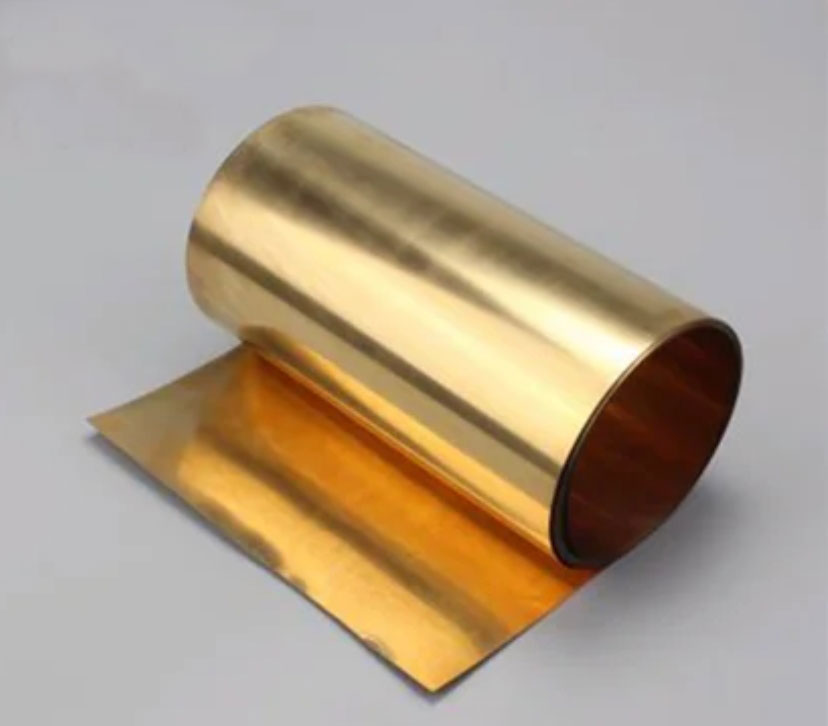
However, although PEI itself has certain chemical resistance and electrical properties, its surface may still be threatened by corrosion and oxidation in some specific environments. In order to improve the protective performance of PEI materials, after continuous exploration and research, people plate the metal on the surface of the PEI film to form a layer of corrosion-resistant protective layer to achieve further protection of PEI materials.
02
PEI+ commonly used metals...
In the process of plating metal on PEI film, commonly used metals include copper, nickel, silver, etc. These metals can be prepared into films by vacuum thermal evaporation, electroplating, magnetron sputtering and other methods, and form a strong adhesion and uniform coating on the surface of PEI. Metal plating can not only improve the chemical resistance and oxidation resistance of PEI materials, but also increase their conductivity and thermal conductivity, so that PEI materials can be applied under a wider range of process conditions.
03
PEI film metal plating steps
The process of PEI film metal plating is mainly divided into two steps: bottom treatment and metal plating. First of all, the PEI film needs to be surface treated to improve the adhesion of the metal coating. Common methods include surface cleaning, pretreatment, chemical modification, etc. In the cleaning process, chemicals that remove impurities and surface pollutants play a key role, and pretreatment and chemical modification can enhance the chemical bonding force with metals by changing the chemical properties of the PEI surface.
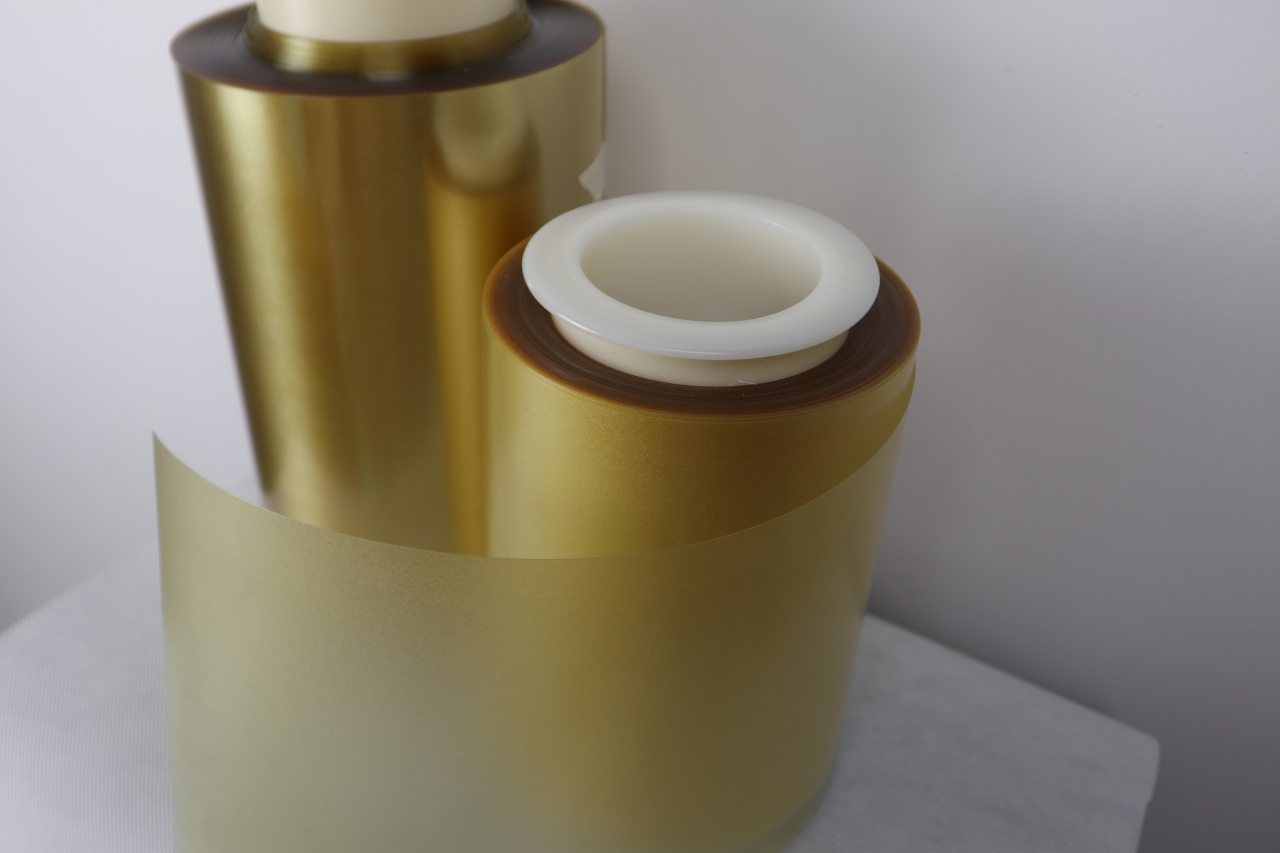
After completing the bottom treatment, the next step is the metal plating process. For different metals, the plating process is different. Take vacuum thermal evaporation as an example, first put the metal block into the vacuum chamber, and then evaporate it by heating the metal block to form metal vapor. By controlling the pressure, the vapor is deposited on the surface of the PEI film, and finally forms a metal coating. Electroplating and magnetron sputtering are also commonly used plating processes. By applying electric current or magnetic field to the surface of the PEI film, they deposit metal ions or atoms on the PEI film by electrolysis or sputtering, thus forming a metal coating.
04
Excellent performance of PEI metal coating
After PEI film metal plating, a series of superior properties can be obtained. First of all, metal plating can improve the corrosion resistance of PEI materials and prevent their surface from being eroded by chemicals. Secondly, the conductive properties of metal coatings can improve the electrical properties of PEI materials, making them more widely used in electronic devices and other fields. In addition, the thermal conductivity of the metal coating can improve the heat dissipation effect of PEI materials and increase its stability in high-temperature environments, so that the application of PEI in aerospace, automobiles and other fields can be expanded.
05
Summarize
Generally speaking, PEI film plating is an effective technical means that can improve the performance and application scope of PEI materials. Metal coating can increase the corrosion resistance, conductivity and thermal conductivity of PEI materials, thus further improving its application value in various fields. With the continuous progress of technology and the deepening of research, the process and performance of PEI film plating still have a lot of room for development. It is believed that more innovative applications will emerge, bringing more possibilities to various industries.